Visual impairment in childhood is a significant global health challenge, affecting millions of children worldwide. In developing countries like Pakistan, the impact is even more profound due to limited access to early diagnosis, treatment, and rehabilitation services. However, despite these challenges, countless children with visual impairments continue to demonstrate resilience, adaptability, and hope. Their journeys highlight the importance of timely intervention, inclusive education, and community support in transforming lives.
Understanding Visual Impairment in Children
Visual impairment refers to partial or complete loss of vision that cannot be corrected fully with glasses, medication, or surgery. In children, it may be caused by congenital conditions, untreated refractive errors, cataracts, glaucoma, infections, vitamin deficiencies, or neurological disorders.
Childhood visual impairment affects not only eyesight but also cognitive development, learning ability, mobility, and social interaction. Without appropriate support, children may face lifelong barriers in education and employment. However, with early diagnosis and intervention, many of these challenges can be significantly reduced.
Early Detection: The Foundation of Hope
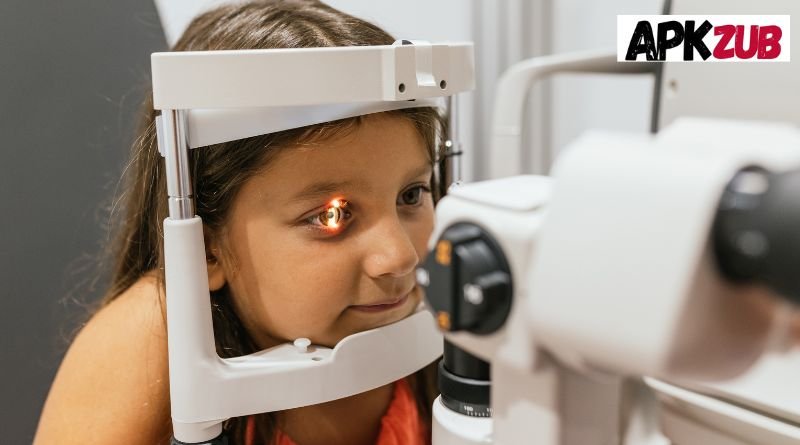
One of the most critical factors in helping visually impaired children thrive is early detection. Vision problems often go unnoticed in children because they may not be able to express what they are experiencing. Regular eye screenings in schools and communities play a vital role in identifying issues before they become severe.
Early diagnosis allows for timely medical treatment, corrective lenses, or surgical intervention when possible. In cases where vision loss is irreversible, early identification ensures that children receive rehabilitation support, enabling them to develop alternative skills and adapt effectively.
Access to Quality Eye Care and Rehabilitation
Access to affordable and quality eye care remains a major challenge in underserved regions. Many families lack awareness or resources to seek timely treatment, leading to avoidable vision loss. Strengthening pediatric eye care services, including reputable facilities such as an eye hospital in Karachi, is essential to addressing this gap and ensuring children receive timely care.
Rehabilitation services such as low-vision therapy, orientation and mobility training, and assistive devices empower children to navigate their environment with confidence. These services help children develop independence and participate more actively in daily activities.
Inclusive Education: Unlocking Potential
Education is a powerful tool in enabling children with visual impairments to overcome limitations. Inclusive education systems that accommodate children with disabilities ensure equal learning opportunities.
This includes:
- Braille and large-print learning materials
- Assistive technologies such as screen readers and magnifiers
- Trained teachers who understand visual impairment
- Accessible classroom environments
When provided with the right tools and support, visually impaired children often perform as well as their sighted peers. Inclusive education fosters self-esteem, social integration, and long-term independence.
The Role of Families and Communities
Family support is a cornerstone in a child’s ability to cope with visual impairment. Parents and caregivers who are informed and supportive can significantly influence a child’s confidence and emotional well-being. Encouragement, patience, and advocacy help children believe in their abilities rather than focusing on limitations.
Communities also play an important role by creating inclusive spaces where children with disabilities are accepted and supported. Awareness programs help reduce stigma and misconceptions surrounding visual impairment, promoting empathy and inclusion.
Technology as an Enabler
Advancements in technology have transformed opportunities for visually impaired children. Assistive technologies now enable access to education, communication, and information in ways previously unimaginable.
Examples include:
- Screen-reading software for computers and smartphones
- Audio books and digital learning platforms
- Braille displays and embossers
- Navigation and mobility apps
These tools empower children to learn independently, communicate effectively, and engage with the digital world, preparing them for future academic and professional success.
Psychological and Emotional Well-Being
Visual impairment can have emotional and psychological effects, especially during childhood. Feelings of isolation, frustration, or low self-esteem are common if adequate support is not provided. Counseling services and peer support programs help children cope with emotional challenges and build resilience.
Positive reinforcement, mentorship, and exposure to role models with visual impairments who have achieved success can inspire children to set ambitious goals and believe in their potential.
The Impact of NGOs and Social Organizations
Non-governmental organizations play a crucial role in addressing childhood visual impairment, particularly in low-resource settings. Through free eye camps, school screening programs, surgical interventions, and rehabilitation services, these organizations bridge the gap between healthcare systems and vulnerable communities.
They also advocate for policy changes, disability rights, and inclusive development, ensuring that children with visual impairments are not left behind.
Building a More Inclusive Future
Overcoming the challenges of visual impairment requires a collective effort involving healthcare providers, educators, families, policymakers, and civil society. Sustainable progress depends on:
- Strengthening pediatric eye care services
- Expanding awareness and screening programs
- Promoting inclusive education policies
- Supporting rehabilitation and assistive technology access
By investing in these areas, societies can significantly reduce preventable childhood blindness and empower visually impaired children to lead fulfilling lives.
Conclusion
Children with visual impairments are not defined by their limitations but by their potential. With early intervention, appropriate care, inclusive education, and strong community support, they can overcome challenges and contribute meaningfully to society.
Stories of hope emerge every day when children are given the opportunity to learn, adapt, and thrive despite visual impairment. These successes remind us that vision loss does not mean loss of ability or ambition. By working together, we can ensure that every child—regardless of visual ability has the chance to grow, learn, and build a brighter future.
About the Author