
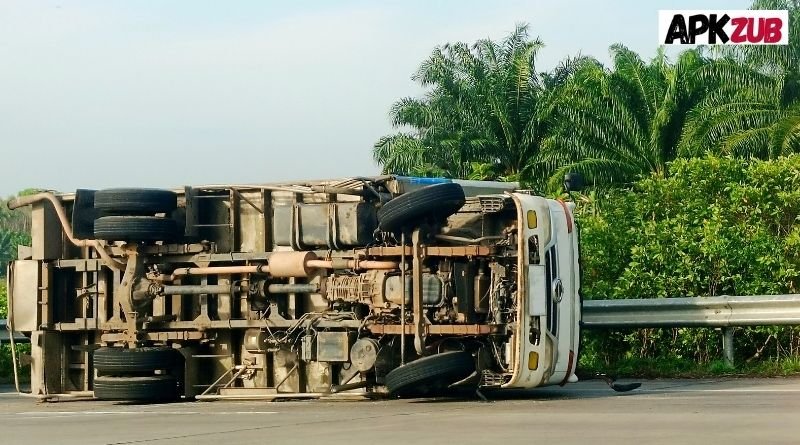
Truck Accident Cases in East Texas
When a serious truck accident happens, the damage is obvious. Twisted metal, skid marks, shattered glass, and traffic backed up for miles tell part of the story. But in many East Texas truck crash cases, what truly determines the outcome is not what is seen at first glance — it is what experts are able to reconstruct afterward.
Truck accident reconstruction is a highly technical process that helps explain how a collision occurred, who may be responsible, and whether federal safety rules were followed. For those trying to understand how these complex cases are built, consulting an experienced East Texas Truck Accident Attorney can provide insight into how expert analysis becomes part of a legal claim.
What Is Accident Reconstruction?
Accident reconstruction is the scientific analysis of a crash. Specialists use physics, engineering principles, and digital modeling to determine:
- Vehicle speeds before impact
- Braking distance
- Direction of force
- Point of impact
- Sequence of events
In truck accidents, this process is especially important because of the size and weight of commercial vehicles.
Why Truck Cases Require Deeper Technical Analysis
Passenger vehicle crashes can often be understood through photographs and witness statements. Truck accidents, however, involve additional variables:
- Tractor and trailer dynamics
- Cargo weight and distribution
- Air brake systems
- Turning radius limitations
- Underride risks
Because commercial trucks handle differently than standard vehicles, experts frequently analyze whether the driver had adequate stopping time or if mechanical factors contributed to the crash.
The Importance of Black Box Data
Most commercial trucks are equipped with electronic control modules, often referred to as “black boxes.” These systems may record:
- Speed
- Brake application
- Engine throttle position
- Sudden deceleration
- Hours of operation
Accident reconstruction experts use this data to compare what actually occurred with driver statements and company reports.
For example, if electronic data shows a truck was traveling above the posted speed limit seconds before impact, that information may significantly influence how liability is assessed.
Skid Marks, Roadway Evidence, and Scene Analysis
Even physical marks left on the road can reveal critical details.
Experts examine:
- Length and direction of skid marks
- Tire tread patterns
- Debris fields
- Vehicle resting positions
In rural East Texas areas where roads may be narrow or poorly lit, reconstruction analysis can help determine whether road conditions, visibility, or vehicle positioning played a role.
Weather and Environmental Factors
East Texas weather can shift quickly, with heavy rainstorms, fog, or icy patches affecting road safety.
Accident reconstruction may include reviewing:
- Weather reports at the time of the crash
- Road grade and slope
- Lighting conditions
- Construction zones
These factors help clarify whether the truck driver adjusted appropriately to environmental conditions.
How Reconstruction Impacts Legal Strategy
Reconstruction findings often influence:
- Settlement negotiations
- Expert testimony in court
- Allocation of fault percentages
- Insurance evaluations
When technical evidence supports a clear version of events, it can strengthen a claim significantly.
Conversely, if the evidence suggests shared fault, the case strategy may shift to account for Texas’s comparative negligence rules.
Why Timing Matters
Physical evidence at a crash scene can disappear quickly.
Vehicles may be repaired or scrapped. Roadway markings may fade. Electronic data may be overwritten. That is why early investigation can be crucial in truck accident cases.
Prompt evidence preservation often determines whether reconstruction experts have the information needed to build an accurate analysis.
Final Thoughts
Truck accident cases in East Texas often hinge on more than eyewitness accounts. Physics, engineering, and digital data frequently play a major role in understanding what truly happened.
Accident reconstruction transforms scattered pieces of evidence into a structured explanation of the crash. In complex commercial vehicle collisions, that technical clarity can become one of the most important components of determining responsibility and evaluating damages.
Understanding how this process works helps shed light on why truck accident claims are rarely straightforward — and why detailed investigation is often essential.