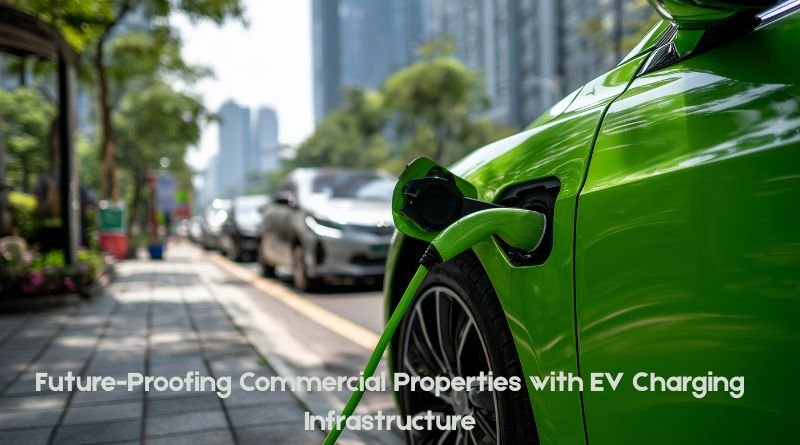
Electric vehicles (EVs) are no longer a niche trend—they’re rapidly becoming a core part of how people commute, travel, and do business. For commercial property owners and managers, this shift presents both a challenge and an opportunity. The challenge lies in keeping up with evolving expectations, while the opportunity is to position your property as forward-thinking, sustainable, and tenant-friendly.
Installing EV charging stations is one of the most effective ways to meet this moment. Whether you manage an office complex, retail center, or multi-use development, investing in charging infrastructure today can significantly increase your property’s long-term value.
Why EV Charging Is Becoming a Commercial Necessity
As EV adoption continues to accelerate, drivers are actively seeking out locations where they can conveniently charge their vehicles. Businesses that offer charging access are quickly becoming preferred destinations.
For commercial properties, this translates into:
- Increased foot traffic and longer dwell times
- Higher tenant satisfaction and retention
- Enhanced brand perception as environmentally responsible
- Competitive differentiation in crowded markets
Tenants and visitors alike now expect modern amenities. EV charging is quickly joining Wi-Fi and parking as a standard offering rather than a luxury perk.
Understanding the Business Case
Adding EV charging stations isn’t just about sustainability—it’s also a strategic investment. Commercial property owners can unlock multiple revenue streams and cost-saving opportunities.
Direct and Indirect Financial Benefits
- Usage Fees:Property owners can charge users per session or per kWh
- Tenant Attraction:Businesses prefer leasing spaces with EV infrastructure
- Increased Property Value:Future-ready buildings command higher valuations
- Incentives and Rebates:Many regions offer financial support for installation
In regions like Silicon Valley, demand is especially high. Businesses looking into commercial ev charger installation Santa Clara are often motivated by both environmental goals and strong financial returns.
Choosing the Right Charging Solution
Not all EV chargers are created equal. Selecting the right system depends on your property type, user needs, and budget.
Types of Commercial EV ChargersLevel 2 Chargers
- Ideal for workplaces, retail centers, and multi-unit dwellings
- Moderate charging speed (typically 4–8 hours for full charge)
- Cost-effective and widely used
DC Fast Chargers
- Best for high-traffic locations like highways and large commercial hubs
- Rapid charging (80% in 20–40 minutes)
- Higher upfront cost but greater throughput
Key Considerations Before Installation
- Electrical Capacity:Ensure your building can support the load
- Parking Layout:Optimize accessibility and traffic flow
- Scalability:Plan for future expansion as demand grows
- User Access:Decide between public, private, or mixed-use access
Taking a strategic approach upfront can prevent costly upgrades later.
Enhancing Customer and Tenant Experience
EV charging stations are more than just functional—they can significantly improve how people experience your property.
What Charging Access Signals
- Innovation and forward-thinking management
- Commitment to sustainability
- Convenience and customer care
For retail centers, EV drivers tend to spend more time on-site while charging, increasing the likelihood of purchases. For office buildings, employees benefit from the ability to charge during work hours, eliminating range anxiety.
Sustainability and Corporate Responsibility
Environmental responsibility is no longer optional—it’s expected. Businesses are under increasing pressure from customers, investors, and regulators to reduce their carbon footprint.
Installing EV chargers directly contributes to:
- Lower greenhouse gas emissions
- Support for clean transportation initiatives
- Alignment with ESG (Environmental, Social, Governance) goals
For companies leasing space, this can also support their own sustainability reporting and commitments.
Implementation Best Practices
A successful EV charging project requires careful planning and execution. Here are some best practices to ensure a smooth rollout:
Step-by-Step Approach
- Assess Demand:Understand your tenants’ and visitors’ needs
- Conduct Site Evaluation:Review electrical infrastructure and layout
- Set Clear Goals:Define whether the focus is revenue, amenities, or sustainability
- Choose the Right Partner:Work with experienced installers
- Plan for Growth:Install conduit and infrastructure for future expansion
- Promote Availability:Let tenants and customers know charging is available
Working with professionals ensures compliance with local codes and maximizes system efficiency.
Preparing for the Future of Mobility
The shift toward electric mobility is only accelerating. Governments are introducing stricter emissions regulations, automakers are expanding EV lineups, and consumers are embracing cleaner transportation.
Commercial properties that delay adoption risk falling behind. On the other hand, those that act now position themselves as leaders in a rapidly evolving landscape.
EV charging infrastructure is not just an upgrade—it’s a foundational component of modern property management.
Conclusion
Investing in EV charging is one of the smartest moves a commercial property owner can make today. It enhances tenant satisfaction, attracts new customers, supports sustainability goals, and increases overall property value.
As demand continues to grow, early adopters will reap the greatest rewards. By thoughtfully integrating charging solutions into your property, you’re not just meeting current needs—you’re preparing for the future of transportation and commerce.
About the Author