
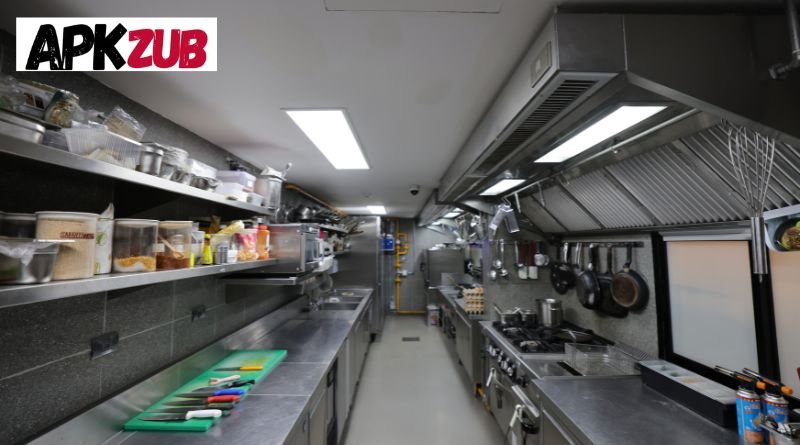
High-protein, high-grease menus are reshaping commercial kitchen supplies as Australian foodservice businesses adjust to the operational realities of protein-heavy cooking. Restaurants in Australia are facing an operational issue that goes well beyond menu design. The rise in protein-focused eating is radically changing how kitchens handle food safety and cleanliness.
According to industry data, Australian restaurants’ protein-focused menu items will rise by 40% in 2024. This change has an impact on everything from specialty drinks to breakfast bowls. These days, whey powder-fortified smoothies and lattes boosted with collagen peptides contain protein.
Changes to the recipe are not enough to complete the change. Commercial kitchens are finding that the residue from cooking with a lot of meat cannot be sufficiently removed using conventional cleaning techniques. The foodservice industry is seeing substantial changes in commercial kitchen supplies as a result of this reality.
Understanding the Protein Challenge
The molecular behavior of proteins under heat creates unique cleaning obstacles. When proteins cook at elevated temperatures, they undergo a process called denaturation. The molecules unfold and form persistent bonds with stainless steel and cast iron surfaces.
Animal proteins release fats that liquefy during cooking and then solidify as temperatures drop. This creates a protein-fat matrix that traps bacteria and resists conventional alkaline cleaning methods. Research from Australian food chemistry departments demonstrates that these complex structures require either enzymatic breakdown or intensive alkaline chemical intervention.
Different cooking methods intensify residue formation in distinct ways. Char-grilling leaves carbonised deposits bonded to grill surfaces. Slow-cooking methods for pulled meats generate sustained grease output over extended periods. High-temperature searing creates films requiring specialised removal techniques.
The food safety implications carry serious regulatory weight. Protein residue provides optimal breeding conditions for pathogenic bacteria including Salmonella and Listeria monocytogenes. Without complete removal, these microorganisms multiply to dangerous levels between service periods.
Regulatory Framework and Compliance
Food Standards Australia New Zealand establishes stringent requirements through Standard 3.2.2. All food-contact surfaces must undergo thorough cleaning and sanitisation. Approved sanitisers must achieve 99.99 to 99.999 percent bacterial reduction.
Contact time specifications become particularly critical in grease-heavy environments. Residual fats can shield bacterial colonies from sanitisers. The NSW Food Authority provides technical guidance on chemical sanitiser applications that require precise dilution ratios.
Health inspection data from 2024 reveals increased non-compliance rates among establishments serving protein-heavy menus. The regulations themselves remain unchanged. However, the difficulty of meeting established standards has intensified substantially.
Equipment maintenance requirements have escalated correspondingly. Grease traps require more frequent servicing. Ventilation systems accumulate combustible deposits faster than design specifications anticipated. Floor surfaces present heightened slip hazards from increased fat accumulation.
Evolution of Cleaning Products
The commercial kitchen supplies sector has responded with product innovations specifically formulated for protein-intensive environments. Modern degreasers now fall into distinct categories engineered for particular applications and residue types.
Enzymatic cleaners utilise biological catalysts to break down protein molecular bonds. These products achieve optimal effectiveness when applied during non-service hours. This allows sufficient time for enzymatic digestion of protein residue. Suppliers including Complete Wholesale Suppliers have reported 60 percent growth in enzymatic degreaser sales throughout 2024.
Heavy-duty alkaline degreasers provide immediate grease removal through aggressive chemical action. These concentrated formulations cut through protein-fat matrices that resist conventional cleaning products. They have become essential for daily deep cleaning of grills and fryers in protein-focused kitchens.
Ready-to-use formulations balance convenience with efficacy for maintenance cleaning during service periods. While less aggressive than concentrated products, they enable staff to address spills immediately. This prevents accumulation that compounds cleaning challenges.
Environmental considerations increasingly influence purchasing decisions among Australian operators. Biodegradable formulations that balance cleaning efficacy with sustainability appeal to establishments responding to consumer environmental consciousness. NSF-approved food-safe degreasers provide regulatory assurance that residual chemicals will not contaminate food preparation surfaces.
The Two-Step Cleaning Imperative
Effective sanitisation protocols depend fundamentally on thorough degreasing as a prerequisite step. Sanitisers cannot penetrate protein-grease barriers to reach bacterial contaminants beneath. This makes two-step cleaning processes operationally non-negotiable in protein-heavy kitchens.
Quaternary ammonium compounds maintain their position as industry standard sanitisers for food-contact surfaces. QUAT formulations demonstrate strong antimicrobial properties while remaining compatible with most kitchen materials. They maintain effectiveness across varying water temperatures.
Chlorine-based alternatives offer powerful bacterial elimination capabilities. Food Standards Australia New Zealand guidelines specify exact dilution ratios and contact times for bleach-based sanitisers. Implementation requires approximately 30 seconds of contact time before surfaces can be considered sanitised.
The critical challenge in grease-intensive environments involves achieving proper sanitiser contact with contaminated surfaces. Residual fats create physical barriers preventing sanitisers from reaching bacterial colonies. This explains health inspection failures among establishments that maintain regular sanitiser application schedules.
Industry Adaptations and Solutions
Forward-thinking establishments have implemented substantive operational changes beyond upgrading commercial kitchen supplies. Successful adaptations include several key strategies.
Equipment investments are delivering measurable returns. Commercial steam cleaning systems and pressure washing equipment designed specifically for foodservice applications provide mechanical cleaning power. These technologies prove particularly effective for ventilation systems and hard-to-reach areas where protein residue accumulates unnoticed.
Scheduling adaptations address the time requirements of enzymatic cleaning. Establishments are implementing overnight enzyme treatments for equipment that can be taken offline. This allows biological breakdown of protein residues that would otherwise require aggressive mechanical scrubbing.
Documentation practices have become increasingly sophisticated. Detailed cleaning logs serve dual purposes. They demonstrate regulatory compliance during health inspections and identify patterns that inform supply purchasing decisions.
Key Insights for Operators
- High-protein menus generate 30 to 50 percent more grease and protein residue than traditional menu compositions
- Protein molecular bonding under heat creates contamination challenges that conventional cleaning chemistry cannot adequately address
- Australian FSANZ compliance standards have become substantially more difficult to achieve in protein-intensive kitchen environments
- Two-step cleaning protocols represent operational necessities rather than optional best practices
Practical Recommendations
- Conduct comprehensive audits of current cleaning supplies against protein-intensive cooking demands
- Source heavy-duty alkaline degreasers and enzymatic cleaners specifically formulated for protein residue
- Implement enhanced staff training programs covering proper dilution ratios and application techniques
- Establish increased cleaning frequency schedules for grills and ventilation systems
- Develop relationships with specialised distributors like Complete Wholesale Suppliers offering technical support
- Maintain detailed cleaning records documenting products used and application frequencies
Looking Forward
Australian restaurant menus are changing due to the protein-centric dining trend, which is an ongoing market evolution. To maintain food safety standards in this changed operational environment, commercial kitchens need to update product specifications and modernise cleaning procedures.
In response, manufacturers are creating more complex formulas. Concentrated alkaline degreasers and enzymatic cleaners offer features not found in earlier products. Eco-friendly substitutes show that cleaning effectiveness and environmental responsibility may live harmoniously.
Anticipating the operational ramifications of menu trends before they become compliance issues is crucial for Australian foodservice companies to keep a competitive edge. The market for commercial kitchen supplies keeps changing to meet the demands of the business. Businesses who make the right investments in cutting-edge equipment and strict cleaning protocols will be able to take advantage of Australia’s protein dining revolution while maintaining the food safety standards that consumers demand.
The challenge ahead is clear. As protein-focused menus become the norm rather than the exception, operational excellence in kitchen hygiene will increasingly define successful foodservice businesses. Those who adapt their cleaning strategies now will be best positioned to thrive in this evolving market landscape.
About the Author